
Column
BIXI Montreal: From Local Innovation to Global Recognition
Jean Giguère
Author :
WikiResidence
Source :
11/10/25
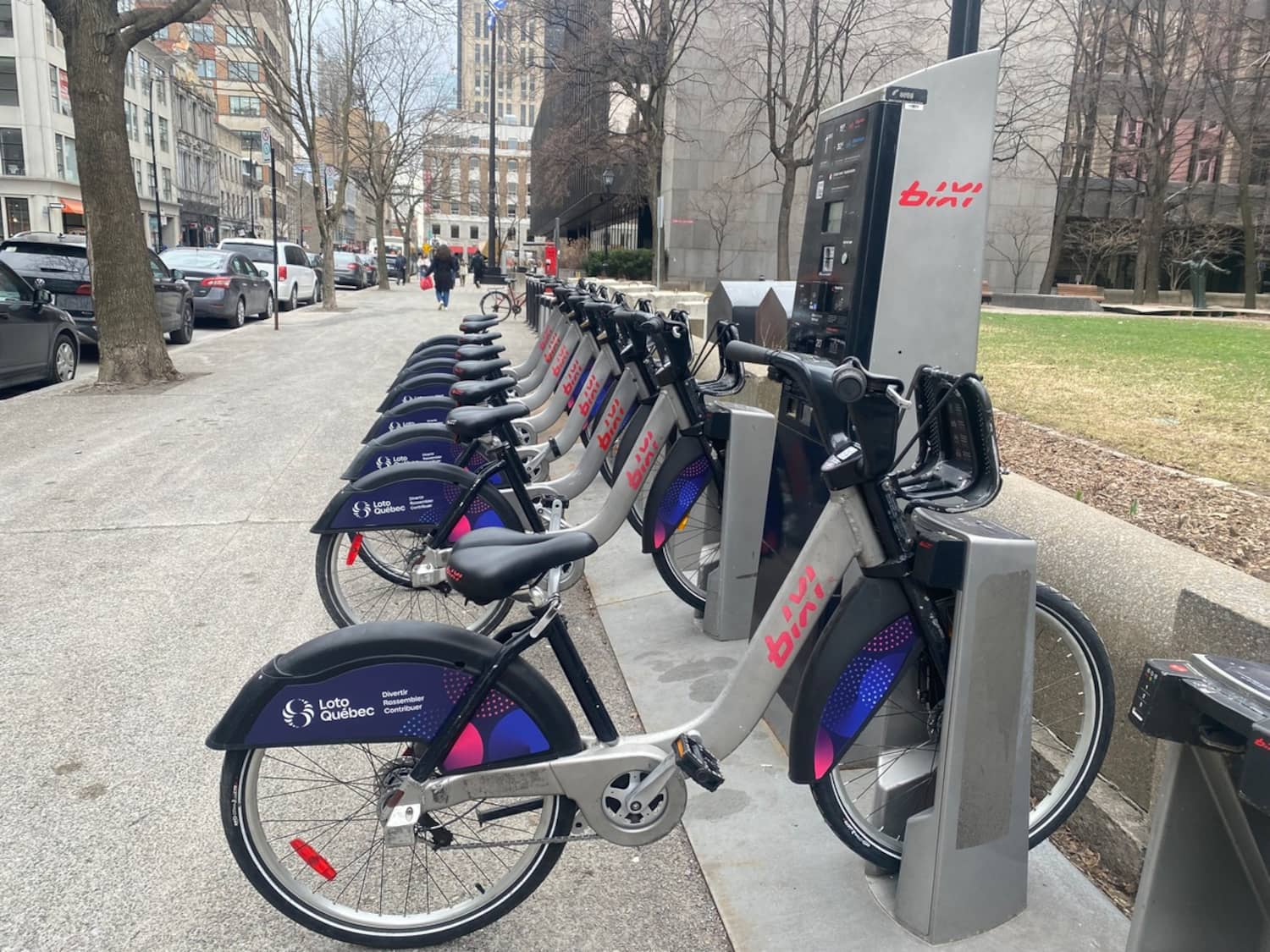
Montreal is once again shining on the international stage, and this time, it's thanks to an invention that has revolutionized urban mobility: BIXI.
The iconic bike-sharing system was recently ranked among the top 25 best inventions since 2000 by the prestigious TIME magazine, an acknowledgment that highlights its ingenuity and global impact.
This recognition comes as BIXI has also just set historic ridership records in Montreal, particularly during an STM strike.
A Brief History
The BIXI adventure began in 2009 in Montreal. Designed by the Public Bike System Company (SVLS, which later became BIXI Montreal), the system quickly gained popularity, offering a flexible, ecological, and healthy transport solution.
The idea was simple: provide robust bicycles and smart stations, accessible 24/7, for short-distance trips.
This concept not only transformed how Montrealers get around but also exported its expertise worldwide.
Global Recognition:
Being named by TIME magazine as one of the 25 best inventions of the new millennium is no small feat.
It's the culmination of a vision that has successfully addressed the challenges of major cities: reducing congestion, encouraging active lifestyles, and offering sustainable alternatives to motorized transport.
This distinction places BIXI alongside innovations that have truly changed our daily lives, underscoring its pioneering role in urban micro-mobility.
Ridership Records: When BIXI Becomes Essential
The current year has been exceptional for BIXI Montreal.
The company shattered its own usage records, exceeding expectations and demonstrating its crucial role in the city's transport network.
Impact of the STM strike: One of the major factors in this spectacular increase was the strike by the Société de transport de Montréal (STM) services.
Faced with subway and bus interruptions, many Montrealers turned to BIXI as a reliable and efficient alternative.
Impressive figures: During this period, unprecedented usage peaks were recorded, with tens of thousands of trips made daily, demonstrating the resilience and adaptability of citizens, as well as the vital importance of a robust alternative transport network.
Continuous growth: Even outside of exceptional circumstances, BIXI experiences constant ridership growth year after year, a sign of increasing adoption by the population for commuting, leisure, or errands.
Economic and Social Impact:
BIXI's impact extends far beyond simply providing bicycles:
Reduction of congestion and pollution: Fewer cars mean less traffic and better air quality.
Promotion of public health: Bicycle use encourages physical activity and contributes to citizens' well-being.
Accessibility and equity: BIXI offers an affordable and accessible transport option in many neighborhoods, complementing other modes of transport.
Economic spin-offs: BIXI Montreal generates local jobs (maintenance, logistics, station management) and stimulates the local economy by facilitating travel to businesses and attractions.
BIXI Montreal's budget amounts to several million dollars annually, funded by subscriptions, advertising revenue, and municipal subsidies, highlighting its role as essential infrastructure.
BIXI Around the World:
The ingenuity of the BIXI system has not been limited to Canadian borders.
The technology and business model behind BIXI have been successfully exported to many cities worldwide, influencing and inspiring the creation of similar systems.
Although BIXI Montreal operates specifically in the Quebec metropolis, the technology of its designer, Public Bike System Company (PBSC Urban Solutions, which originally emerged from BIXI), has been adopted by cities in dozens of countries.
Among the most notable where bikes or stations inspired by or directly supplied by PBSC (the system that was previously behind BIXI) can be found are:
United States: New York (Citi Bike), Chicago (Divvy), Washington D.C. (Capital Bikeshare), Boston (Bluebikes), San Francisco (Bay Wheels).
United Kingdom: London (Santander Cycles).
Australia: Melbourne.
Mexico: Mexico City (EcoBici).
Brazil: Rio de Janeiro, São Paulo.
Spain: Barcelona.
France: A major impact on bike-sharing systems in general.
United Arab Emirates: Dubai.
South Korea: Seoul.
This international presence is proof of the relevance and robustness of a concept born in Montreal.
A Bright Future for Urban Mobility
The year 2025 marks a turning point for BIXI Montreal, with prestigious international recognition and usage records that attest to its undeniable utility.
Beyond the numbers, BIXI embodies a vision of a sustainable and dynamic city, where local innovation has a global impact, and active mobility is a pillar of urban life. It is a Montreal pride that continues to pedal towards the future.
For daily updates on real estate news, urban development, and lifestyle trends in Montreal, follow InfoDrone.ca. For in-depth analysis and comprehensive resources on urban living, visit WikiResidence.ca.